
Fallopian Tubal Blockage Treatment
All About Blocked Fallopian Tube for Infertility Couple
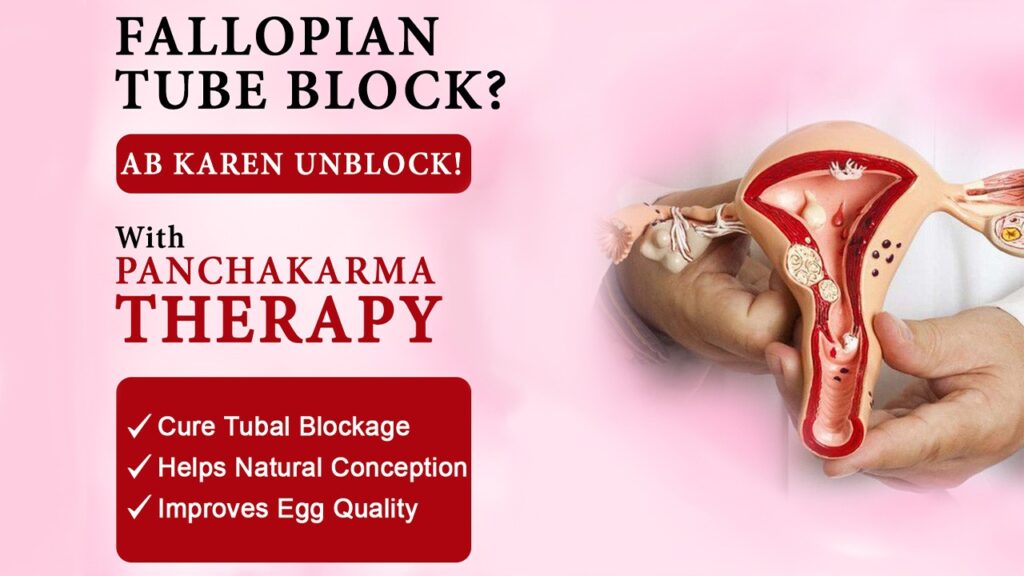
What are fallopian tubes?
The female reproductive system’s fallopian tubes are a pair of tubes that transport eggs from the ovaries to the uterus. Other names for them include salpinges, oviducts, and uterine tubes.
The Function of the fallopian tube is to deliver eggs to the uterus from the ovaries, nourish them, and aid in fertilization.
The muscular fallopian tubes are coated with tiny structures that resemble hair. These “hairs” function both ways, assisting sperm in ascending from the womb and an egg in descending from the ovaries to the uterus.
Fimbriae, which resemble fingers, are where each fallopian tube terminates. When the ovary releases an egg, the fimbriae catch and direct it.

What is Fallopian Tube Blockage?
Because sperm fertilize a woman’s egg inside the fallopian tube, damaged or blocked fallopian tubes are a common cause of infertility in women.
Endometriosis, ectopic pregnancy, pelvic inflammatory illness, prior operations, and tubal ligation can all result in tubal obstructions or damage.
The majority of women who have blocked fallopian tubes show no symptoms.
Related Post:
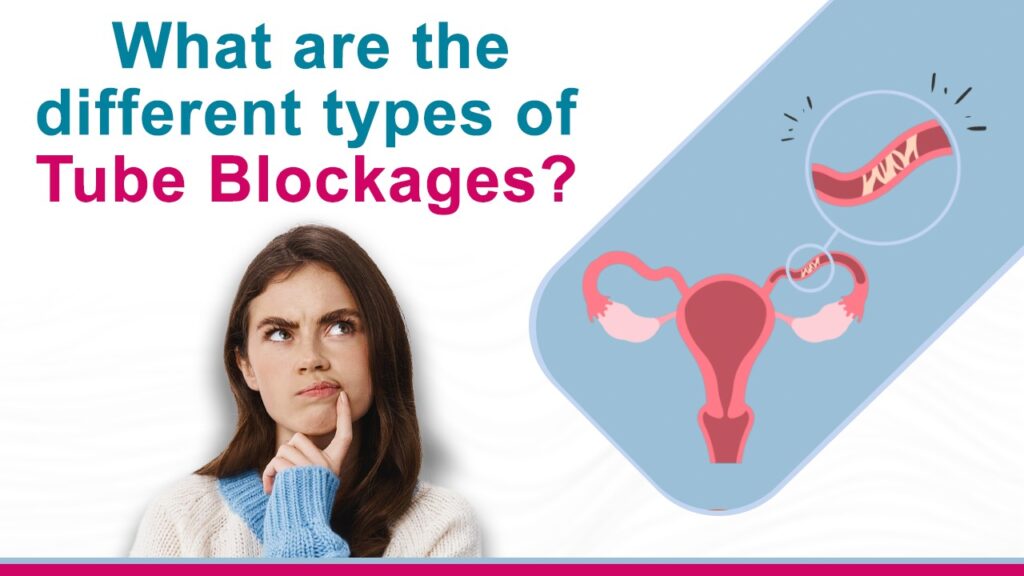
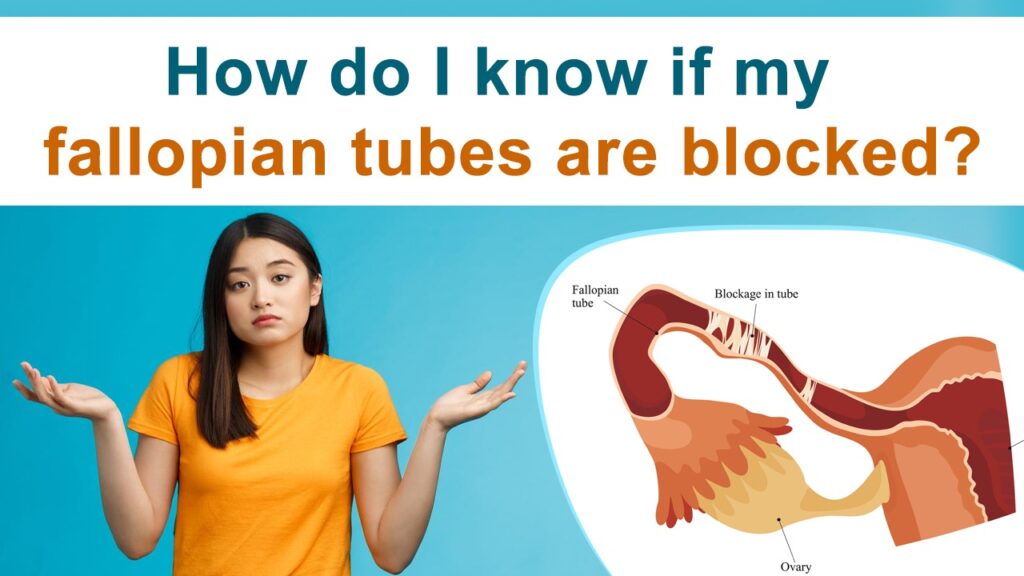
What are the different types of tube blockages?
- There are three possible locations for fallopian tube blockage: Close to the uterus is proximal.
- Medial: In the tube’s center.
- Distal: Close to the fimbria at the tube’s end.
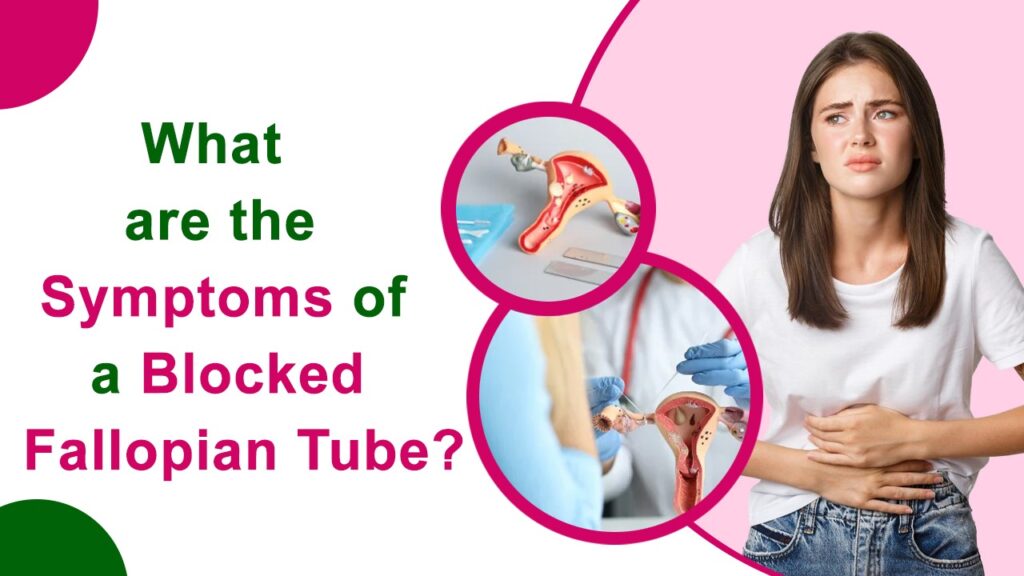
What are the Symptoms of a Blocked Fallopian Tube?
Regretfully, there are frequently no obvious fallopian tube blockage symptoms associated with tubal blockage. Nonetheless, some women may encounter:
- Pain in the pelvis during ovulation during the menstrual cycle
- Period irregularities
- Infertility, or difficulty becoming pregnant
- Pain that occurs during sexual activity (less common)
- discharge from the vagina that is colored or sticky.
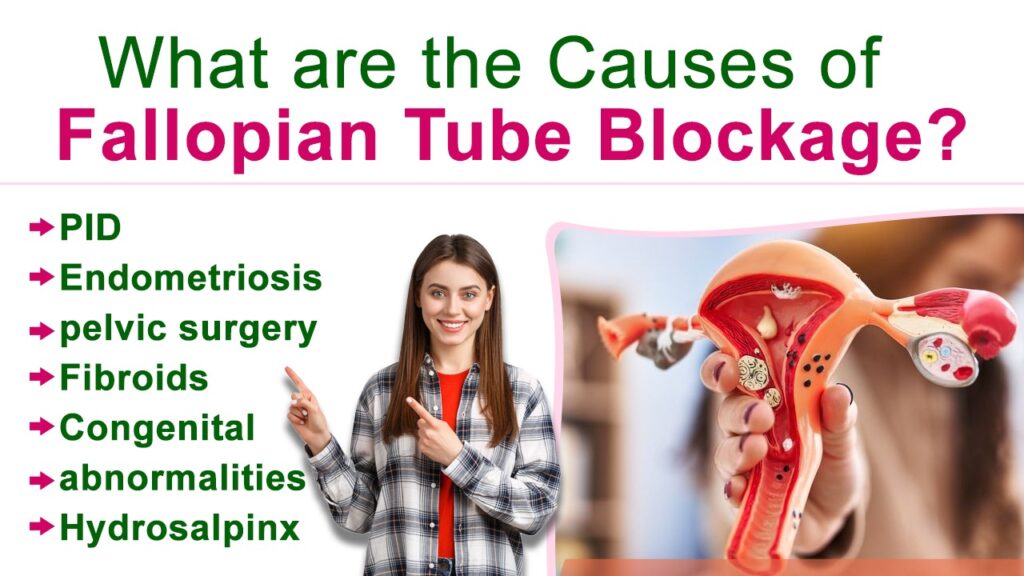
What are the Causes of Fallopian Tube Blockage?
Identifying the several fallopian tube blockage causes:
- PID: Sexually transmitted infections (STIs) such as gonorrhea or chlamydia can cause pelvic inflammatory disease (PID), an inflammation of the reproductive organs.
- Endometriosis: The fallopian tubes may be impacted by tissue that resembles the lining of the uterus growing outside of it.
- Prior pelvic surgery: The tubes may become blocked by adhesions (scar tissue) from C-sections or other pelvic operations.
- Fibroids: The fallopian tubes may occasionally be compressed by noncancerous growths in the uterus.
- Congenital abnormalities: In rare cases, women may have deformed or obstructed fallopian tubes from birth.
- Hydrosalpinx: When fluid builds up, it causes hydrosalpinx, which causes the fallopian tube to expand and become blocked.
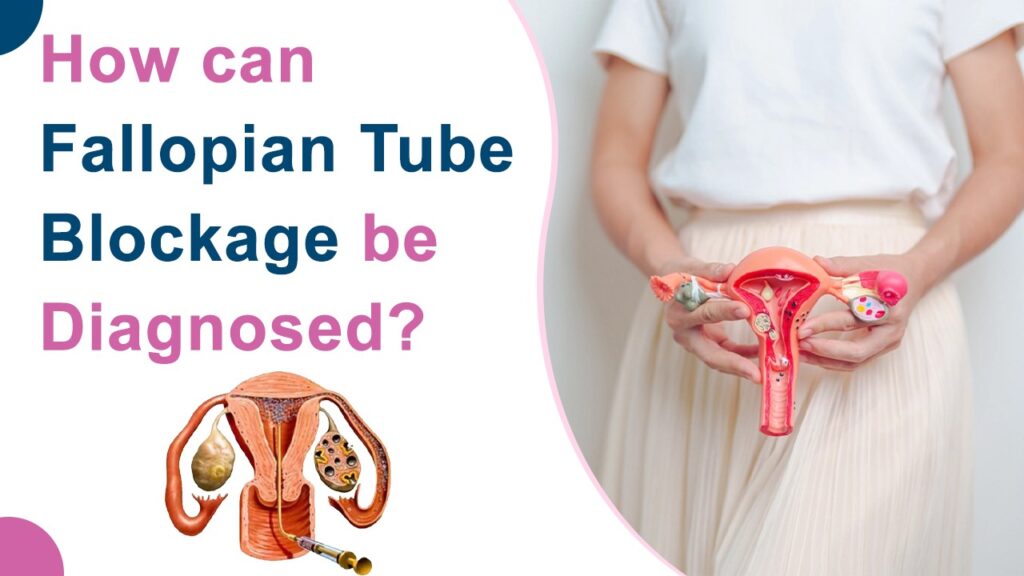
How can Fallopian Tube Blockage be Diagnosed?
A number of tests can be used to identify obstructed fallopian tubes. These could consist of:
- Hysterosalpingography (HSG): An X-ray in which the uterus and fallopian tubes are visible after an injection of contrast dye.
- Laparoscopy: A minimally invasive surgical technique that directly examines the pelvic organs using a laparoscope.
- Hysteroscopy: A narrow scope that is sent through the cervix to see inside the uterus is called a hysteroscopy.
- Ultrasound: Sonohysterograms, another name for ultrasounds, can occasionally identify anomalies in the fallopian tube.
How do I know if my fallopian tubes are blocked?
Physicians typically use a hysterosalpingogram (HSG) test to diagnose tubal obstruction and damage. An X-ray is used to view the uterus and fallopian tubes after a doctor fills it with a dye-containing fluid to create visual contrast during an HSG treatment.
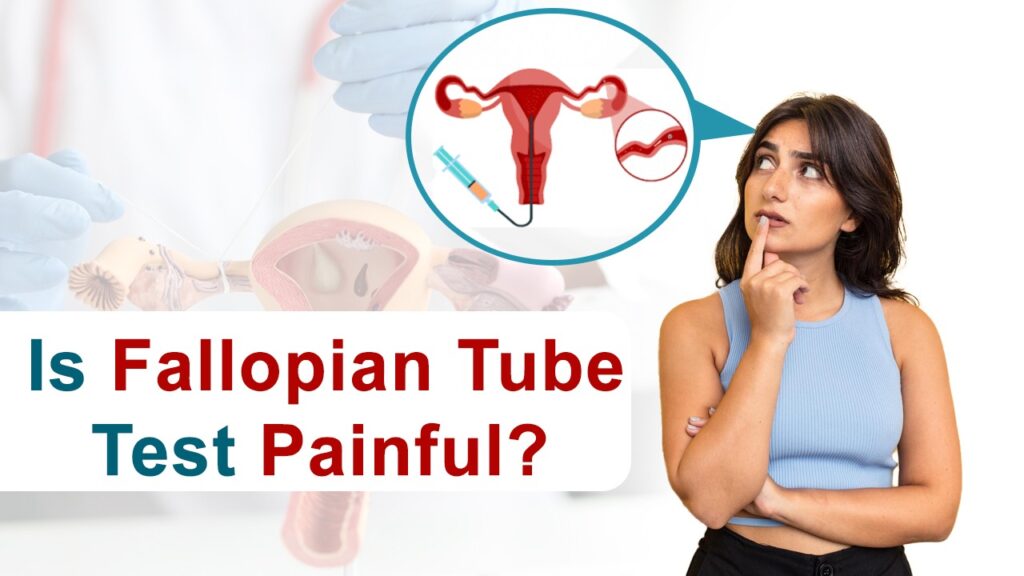
Is Fallopian Tube Test Painful?
Many patients experience mild to severe pain or discomfort during a hysterosalpingogram (HSG) test. Usually fleeting, the pain may resemble menstruation cramps.
Pain
- Injecting the dye into the uterus may cause pain.
- If the fallopian tubes are blocked, the pain may be more severe.
- From a few minutes to several hours, pain can persist.
What is the Treatment for Blocked Fallopian Tube?
Ayurveda views tubal blockage as a “Vata-Kapha” imbalance, in which contractions and adhesions are caused by the “Vata” dosha, a body fluid linked to movement and air, while blockages are caused by the “Kapha” dosha, a body fluid linked to structure and stability.
Ayurvedic treatment for tubal blockage, such as certain herbal remedies and practices like Uttarbasti (herbal vaginal administration), can aid in detoxifying the fallopian tubes and uterus, possibly removing obstructions. If you are looking for blocked fallopian tubes treatment in Delhi, you should visit Aasha Ayurveda Clinic for better results.
Related Post:
Why Ayurvedic Treatment for Blocked Fallopian Tube is Best?
One may consider it a tridosha ailment dominated by Vata. The vitiation of one or more doshas is the underlying cause of all diseases. The most significant contributing reason to tubal infertility may be vitiation of Vata. It causes stenosis, sclerosis, and restriction of the fallopian tubes because of its Ruksha and Khara gunas. For its avrodhak Guna, Kapha is also in charge of the fallopian tubal block. Pitta may be in charge of Paka, or inflammation, brought on by a number of illnesses. Therefore, it’s critical to realize that no two tubal obstructions are alike.
Ayurvedic medications are administered based on the dosha involved. Herbal remedies with Vata and kapha pacifying qualities can be applied locally for blocked fallopian tube cure and restore tubal function.
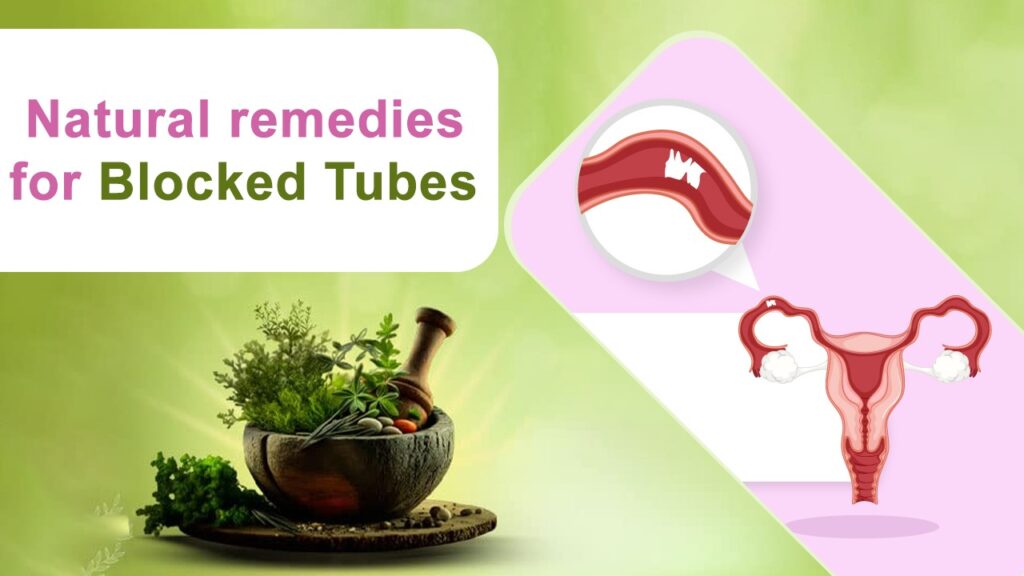
Natural remedies for blocked tubes
Reproductive health may be enhanced by certain lifestyle modifications.
Changes in lifestyle
- Diet: Consume a nutritious diet high in antioxidants, vitamins, and minerals.
- Supplements: Consume supplements such as zinc and vitamin C.
- Herbs: Ginger and turmeric, for example, contain antioxidant and anti-inflammatory qualities.
- Massage: To increase blood flow to the reproductive organs, try a fertility massage.
- Castor oil packs: To improve circulation, apply castor oil packs to the belly.
- Meditation and yoga can lower stress and enhance general wellbeing.
- Fasting intermittently may help avoid blood clots.
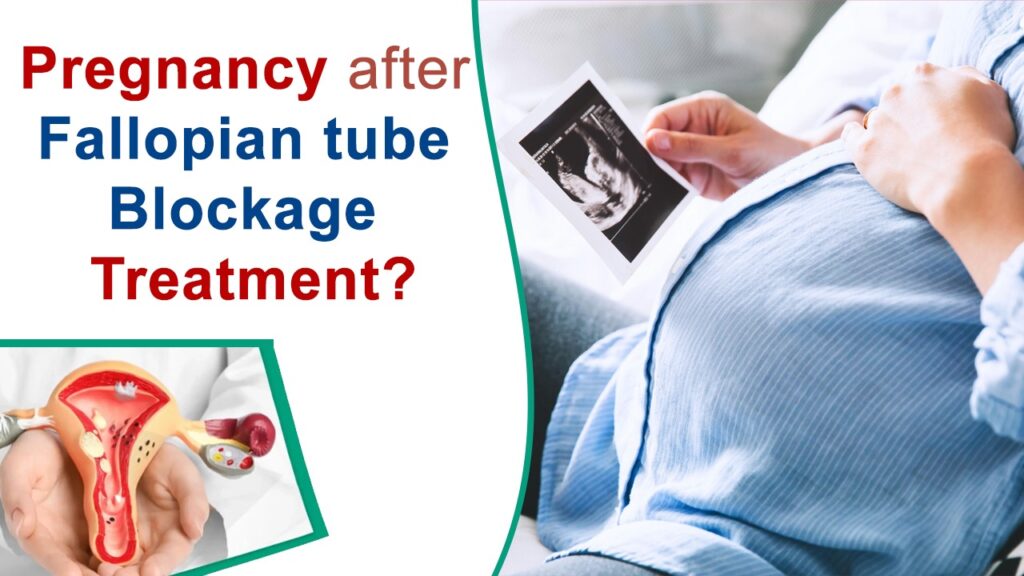
What are the Chances of Pregnancy after Fallopian tube Blockage Treatment?
The likelihood of becoming pregnant after therapy for a fallopian tube blockage varies from 80% to 95%, depending on the location, degree, and general health of the fallopian tubes.
Here’s a more thorough explanation:
Factors Influencing the Chance of Pregnancy:
Location and Severity of Blockage: Close to the Uterus: Treatment success and subsequent pregnancy are more likely for blockages that are closer to the uterus.
Scarring or structural blockages: These are more challenging to treat and may result in fewer pregnancies.
Blockage close to the ovary: The success rate is reduced for blockages at the fallopian tube’s end close to the ovary.
The chances of pregnancy after fallopian tube blockage treatment depends on the age of a female, her husband’s sperm count, and the severity of damaged tubes
How does Uttar Basti affect fallopian tube blockage?
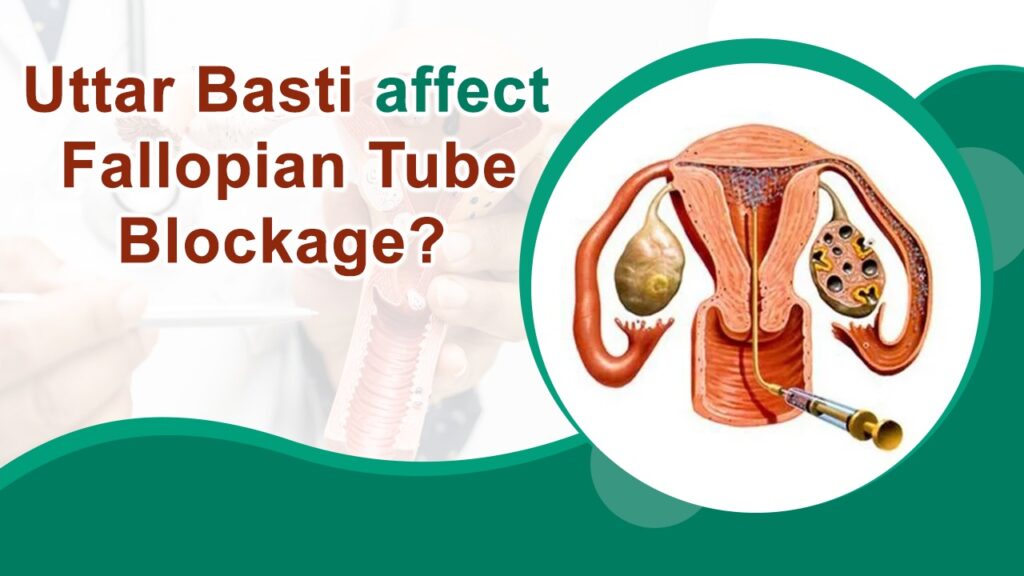
By encouraging the clearance of obstructions and reestablishing the reproductive system’s normal function, Uttar Basti, or the instillation of therapeutic oil into the uterus, is said to assist relieve tubal blockage in Ayurvedic medicine.
The Operation of Uttar Basti:
- Lysis of Adhesions: It is believed that Uttar Basti, especially when combined with certain therapeutic oils like Kumari Taila or Yavakshara Taila, might aid in the dissolution of adhesions and other blockages inside the fallopian tubes.
- Tubal Lining Rejuvenation: The goal of the treatment for tubal blockage is to restore the normal function of the damaged or fibrosed tubal lining.
- Reproductive Tract Cleansing: Uttar Basti is regarded as a technique for purifying the reproductive organs, or “Artava Vaha Srotas,” in order to eliminate morbid doshas (imbalances) and bring about equilibrium.
- Nonsurgical Approach: Compared to surgery, Uttar Basti is a less intrusive method of treating tubal blockage because it is a nonsurgical technique.
How can Aasha Ayurveda help you with Fallopian Tube Blockage?
Aasha Ayurveda, especially under the direction of its fertility expert doctors, can assist with tubal blockage by providing Ayurvedic therapies and treatment for blocked fallopian tubes that target the root causes of blockage, such as endometriosis or pelvic inflammatory disease, as well as restoring fertility and general health

What is the success rate of Aasha Ayurveda?
Aasha Ayurveda has given 90% success rate in case of fallopian tube blockage treatment. In the last 14 years thousands of patients have experienced the joy of parenthood with the help of our ayurvedic treatment.

Aasha Ayurveda Doctors for fallopian tube blockage treatment in india Fertility Clinic Location:
Consult our highly experienced and trained fertility specialists and gynecologists at these five branches of Aasha Ayurveda in Delhi, Lucknow, Mumbai, Pune and Hyderabad for a completely confidential consultation and get the best treatment for PCOD, PCOS, or female infertility.
Aasha Ayurveda Clinic Delhi : https://g.co/kgs/BozWbnp
- Dr Chanchal Sharma- Treatment for female infertility, Tubal Blockage, Hydrosalpinx, PCOD/PCOS, Failed IVF
- Dr. Deepika Sethi- Treatment for female infertility, Tubal Blockage, Hydrosalpinx, PCOD/PCOS, Failed IVF
Aasha Ayurveda Clinic Lucknow : https://g.co/kgs/a1AxF1D
- Dr. Anamika Singh- Treatment for female infertility, Tubal Blockage, Hydrosalpinx, PCOD/PCOS, Failed IVF
- Dr. Ruchi Sagar- Treatment for female infertility, Tubal Blockage, Hydrosalpinx, PCOD/PCOS, Failed IVF
Aasha Ayurveda Clinic Mumbai : https://g.co/kgs/Uu7JRzM
- Dr. Bhairavi Shah- Treatment for female infertility, Tubal Blockage, Hydrosalpinx, PCOD/PCOS, Failed IVF
- Dr. Sheetal Furia- Treatment for female infertility, Tubal Blockage, Hydrosalpinx, PCOD/PCOS, Failed IVF
Aasha Ayurveda Clinic Pune : https://g.co/kgs/7uvpiaU
- Dr. Prachi Kulkarni- Treatment for female infertility, Tubal Blockage, Hydrosalpinx, PCOD/PCOS, Failed IVF
Aasha Ayurveda Clinic Hyderabad : https://g.co/kgs/MAFkU2r
- Dr. Gayathri Devi- Treatment for female infertility, Tubal Blockage, Hydrosalpinx, PCOD/PCOS, Failed IVF
- Dr. Sangeeta Nagar- Treatment for female infertility, Tubal Blockage, Hydrosalpinx, PCOD/PCOS, Failed IVF

Best Doctors for fallopian tube blockage treatment without operation in India
Dr. Chanchal Sharma is the best fallopian tube blockage doctor in Delhi, being the expert in Ayurvedic medicine with over a decade of experience. She has helped many infertile couples conceive naturally and treats a range of other ailments.She is well aware and up-to-date with the latest developments in Ayurvedic medicine through education. She believes in having a personal relationship with the patients to understand and help them better.She has thirteen years’ experience in this industry. She earned her B.A.M.S MD degree from the Medical College of Tibbia College, Delhi University, in 2011, followed by a gynecology and obstetrics degree from the Institute of Health Sciences, Mumbai, in 2013. She finished her Panchkarma in 2014. Dr. Chanchal Sharma specializes in female infertility treatment and unblock fallopian tubes naturally, hence her success rate is extremely high. For these reasons, she is regarded as a trustworthy and renowned physician.
Frequently Asked Questions (FAQs)
Q.1 How to open blocked fallopian tubes by yoga?
Yoga cannot open your fallopian tubes directly but it can accelerate the results after medicines and therapies.
Q.2 What is the best exercise for fallopian tube blockage?
Here is the list of best exercises for fallopian tube blockage: Setu Bandhasana, Supta Baddha Konasana, Bhujangasana, Viparita Karani, Paschimottansan, Salabhasan, etc.
Q.3 What foods are good for blocked fallopian tubes?
Foods that are good for blocked fallopian tubes should have omega 3 fatty acids, lean protein, fresh fruits and vegetables, whole grains, and other nutrients in it.
Q.4 What is the cost of the HSG test?
The cost of the HSG test might vary, because it depends upon the location of clinic, doctor, facilities available at the centre, and other factors but the normal range of HSG test in India is between 2000 to 7000.
Q.5 Is the HSG test painful?
Indeed, mild to severe pain or discomfort, which is sometimes compared to period cramps, may be experienced during a hysterosalpingogram (HSG) test. However, this pain normally goes away after the tubal blockage treatment.
One Comment